Disclosure: As an Amazon Associate, I earn from qualifying purchases.
Aquatic Turtles: What You Need to Know Before Buying
Aquatic turtles are fascinating and rewarding pets, but caring for them requires more than a bowl of water and a few pellets. Before bringing one home, it’s essential to understand their long-term needs for space, warmth, filtration, and nutrition. Many new owners underestimate the level of commitment these reptiles require, which can lead to health problems and shortened lifespans. This guide outlines what every beginner should know before purchasing an aquatic turtle, ensuring a safe, healthy, and thriving environment.
Tank Size and Water Quality
A proper tank setup is the foundation of good turtle care. Aquatic turtles need room to swim, climb, and bask. For most species, start with a minimum of a 40-gallon tank for juveniles and upgrade as they grow. Adult red-eared sliders or painted turtles often need tanks exceeding 75 gallons to move comfortably.Clean, filtered water is critical. Turtles produce more waste than fish, so invest in a strong filtration system rated for at least twice your tank’s size. Weekly water changes and regular filter maintenance will help prevent ammonia buildup and algae growth.
👉 *Check out this Geegoods Turtle Tank Kit – Starter Aquarium with Light, Filter, Colored Rocks, Brush, Plant for Turtles that includes an efficient filter and basking area for beginners.*
Heating and Lighting
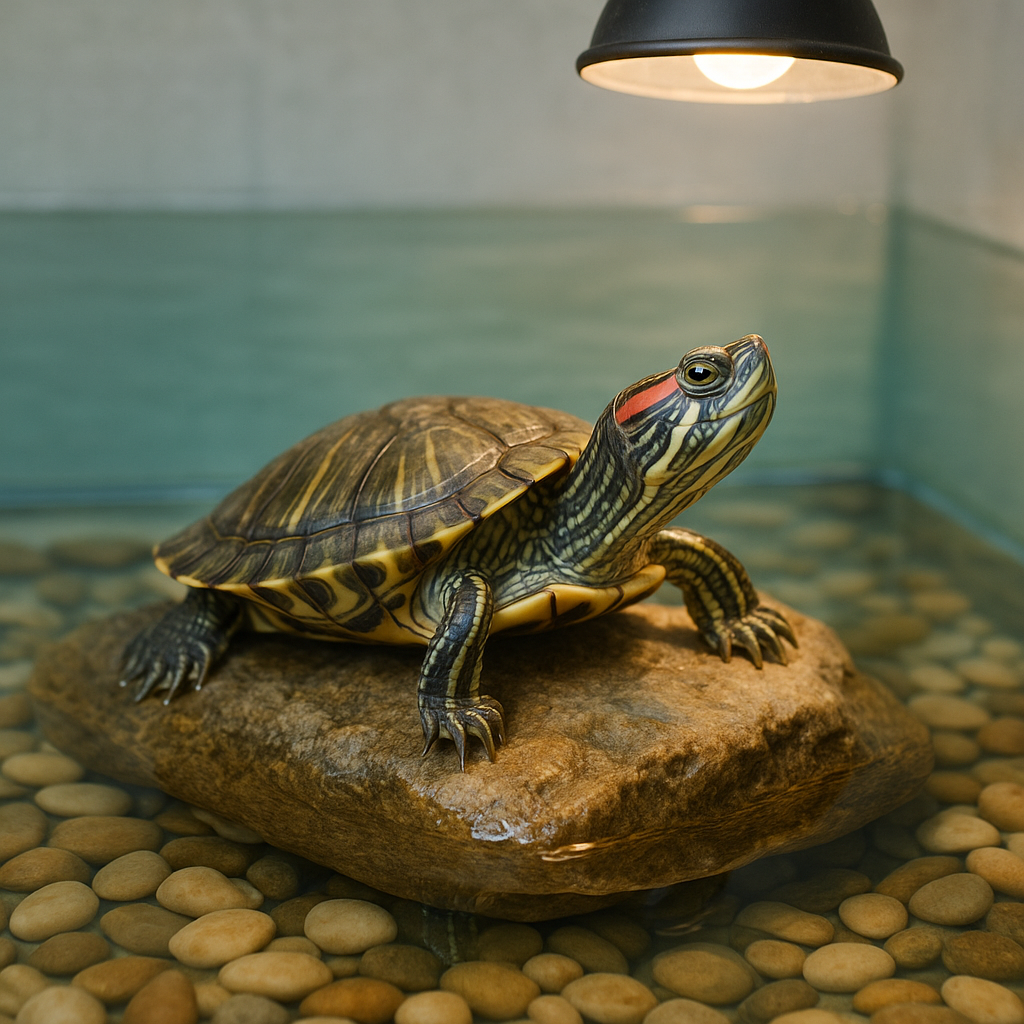
Aquatic turtles are cold-blooded reptiles that rely on external heat to regulate their body temperature. They need two types of light: a heat lamp for basking and a UVB bulb for healthy shell and bone development.Your basking area should reach 85°F to 90°F, while the water should remain between 75°F and 80°F depending on the species. Without proper UVB exposure, turtles can develop metabolic bone disease—a painful and often irreversible condition. According to PetMD’s Aquatic Turtle Care Guide, maintaining clean water and proper UVB lighting are essential for keeping turtles healthy and active.
👉 *Consider this Reptile Heat Lamp, Dual Head Reptile Light with Cycle Timer, Dimmable UVA/UVB Basking Light for Turtle Tortoise that provides both heat and essential UVB lighting.*
Diet and Feeding
Turtles are omnivores, and their diet should include a balance of protein, vegetables, and calcium. Juveniles eat more animal-based foods such as insects, small fish, and high-quality turtle pellets, while adults need more plant matter. Feed turtles in a separate container of water to reduce waste in their main tank. Calcium supplements and cuttlebone can help maintain strong shells and bones.
👉 *Browse these Ultra Fresh – Turtle Nutri Stick, Wild Sword Prawn, Calcium & Vitamin D Enriched Aquatic Turtle Food with Probiotics for Picky Turtles, Made from All Natural Ingredients 3.35 oz designed to support healthy shell growth.*
Handling and Temperament
While aquatic turtles are interactive and curious, they are not ideal for frequent handling. They prefer observation over cuddling and may become stressed when handled too often. Always wash your hands thoroughly after contact—turtles can carry salmonella, even if they appear perfectly healthy. Provide enrichment through habitat design—rocks, logs, and floating docks encourage natural behaviors like basking and climbing.
👉 *Check out this PINVNBY Turtle Basking Platform,Tortoise Resin Dock Resting Rock to create a comfortable basking area in your tank.*
Health and Maintenance
Regular tank maintenance is vital to prevent shell rot, fungal infections, and respiratory illness. Signs of poor health include lethargy, swollen eyes, or changes in shell texture. If you notice these symptoms, consult a reptile veterinarian immediately.Check water temperature and lighting daily, replace UVB bulbs every 6–12 months, and ensure your turtle always has access to clean water. Good husbandry is the best defense against illness.
👉 *Try this 11 in 1 – Aquarium Test Strips | 950 Tests – 150 Strips | Fish Tank Aquariums Water Test Kit & ebook to keep your turtle’s environment safe and balanced.*
Final Thoughts
Aquatic turtles make fascinating pets for those ready to commit to their care. They can live for decades with the right setup and attention, making them a long-term responsibility. Before buying, consider the cost of equipment, maintenance time, and space requirements.By providing clean water, proper lighting, and a nutritious diet, you’ll ensure your turtle thrives in a safe and enriching environment. A little preparation goes a long way in creating a healthy, happy home for your shelled companion. For more tips on caring for unique pets, check out our Other Pets Essentials page on Peppies Petworld.
Comments are closed, but trackbacks and pingbacks are open.