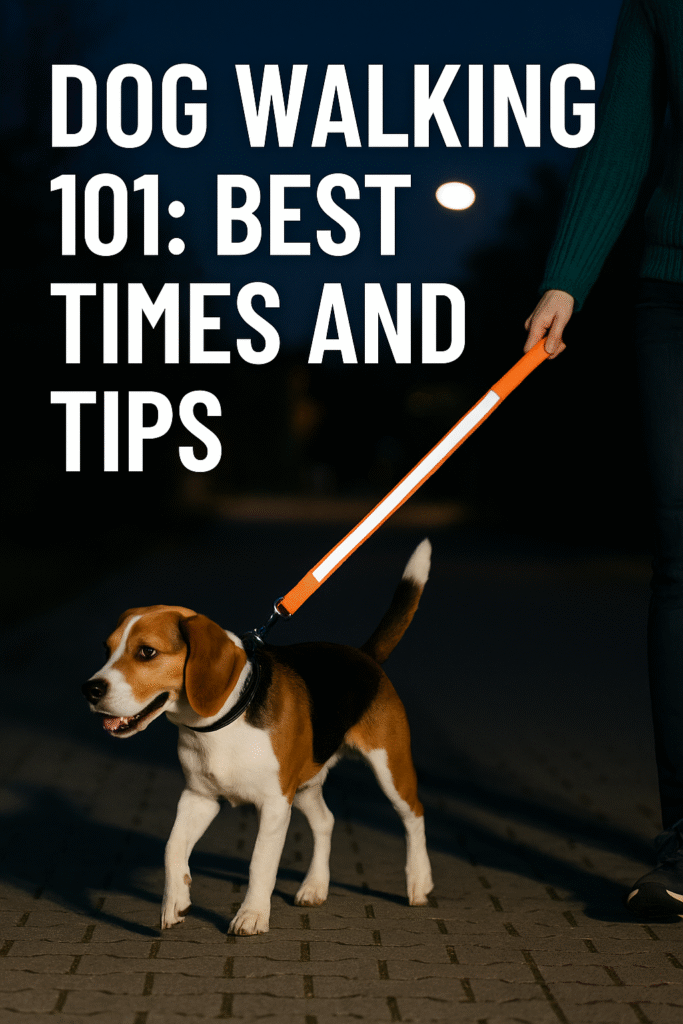
Dog Walking is more than just a daily routine—it’s one of the most important parts of their physical and emotional health. Regular walks help maintain a healthy weight, reduce anxiety, and strengthen the bond between you and your furry friend. But to get the most out of your walks, it’s important to know when, how, and where to walk your dog safely. This guide covers the best walking times, essential gear, safety tips, and ways to make every walk enjoyable for both of you.
1. Choose the Right Time for Dog walking
Timing matters when it comes to walking your dog. Early morning and late evening are generally the best times—temperatures are cooler, sidewalks are less crowded, and the environment is calmer. Avoid midday walks during hot weather, as asphalt can burn your dog’s paws and cause heatstroke. In winter, mid-morning and afternoon walks may be warmer and more comfortable. If you work long hours, consider hiring a dog walker or using a professional service to ensure your pup gets enough daily exercise.
2. Pick the Perfect Walking Gear
A successful walk starts with the right equipment. Use a well-fitted harness instead of a collar for better control and to prevent neck strain. Choose a leash that suits your environment—standard 4-6 foot leashes work best for city streets, while longer leashes are great for open parks. For nighttime walks, opt for reflective leashes, collars, or LED lights so you and your dog stay visible to drivers and cyclists. Visit our Dog Essentials page for top picks in leashes, harnesses, and walking accessories for all breeds.
3. Mind Your Dog’s Pace and Endurance
Just like humans, dogs have different fitness levels. Puppies and senior dogs need shorter, slower walks, while active breeds may need longer distances to burn energy. Watch for signs of fatigue such as excessive panting, lagging behind, or sitting down mid-walk. Gradually increase your walking time to build stamina, and always bring water for hydration—especially on warm days.
4. Practice Good Leash Manners
Teaching leash etiquette is key to an enjoyable walk. Keep your dog on your left side and maintain a loose leash so they don’t feel restricted. If your dog tends to pull, stop walking and wait until they relax before moving again—this teaches them that pulling gets them nowhere. Reward calm behavior with praise or treats. With patience and consistency, your dog will learn to walk politely beside you.
5. Prioritize Safety at All Times
Your dog’s safety should always come first. Avoid busy roads, loud construction areas, or places with broken glass and sharp debris. Stay alert for off-leash dogs and wildlife, and keep your pet’s ID tags or microchip information up to date. In summer, check the pavement’s temperature with your hand—if it’s too hot for you, it’s too hot for their paws. In colder months, use paw balm or booties to protect from ice and salt irritation.
6. Let Your Dog Sniff and Explore
Dogs experience the world primarily through scent, and walks are their opportunity to engage that powerful sense. Allow your dog to sniff trees, grass, and lampposts—it’s their version of reading the news! Structured sniffing time keeps them mentally stimulated and helps reduce anxiety. A balanced walk alternates between focused walking and short breaks for exploration.
7. Bring Essentials for Every Walk
Always bring waste bags, a portable water bottle, and a small pack of treats. Treats are perfect for reinforcing good behavior and recall. If you walk in remote areas, consider carrying a small first-aid kit with antiseptic wipes and bandages in case of minor injuries. During rainy weather, a lightweight dog raincoat can keep your pup comfortable and dry.
8. Adjust Walks for Your Dog’s Breed and Needs
Different breeds have different exercise requirements. High-energy breeds like Border Collies or Labradors thrive on long, brisk walks or hikes, while small breeds like Pomeranians or Bulldogs may prefer shorter strolls. Flat-faced breeds (brachycephalic dogs) such as French Bulldogs should avoid strenuous activity in hot or humid weather. Tailor your walks to your dog’s energy level and always consult your vet about age-appropriate exercise.
9. Use Walks for Training Opportunities
Every walk is a chance to reinforce good behavior. Practice commands like sit, stay, and heel during your route. Use positive reinforcement—rewarding calm walking, sitting at curbs, or ignoring distractions. This strengthens your bond and keeps your dog mentally sharp while building better obedience in real-world settings.
10. End Each Walk on a Positive Note
When you return home, take a moment to reward your dog for good behavior. Offer water, gentle praise, and a treat. Ending on a positive note helps your dog associate walks with fun and safety, ensuring they look forward to every outing. Consistent, enjoyable walks contribute to your dog’s long-term happiness and health.
Final Thoughts
Daily walks are one of the simplest yet most powerful ways to improve your dog’s life. By choosing the right gear, setting a steady pace, and making safety a priority, you can transform ordinary walks into enriching experiences. Every step strengthens your bond and keeps your pup physically fit and emotionally fulfilled. So grab that leash—it’s time for your next adventure together! Walking your dog is more than exercise — it’s bonding, stimulation, and training rolled into one. For expert advice on safe, healthy walking habits, check out PetMD’s Guide to Walking Your Dog Safely
1 Comment
Comments are closed, but trackbacks and pingbacks are open.