How to Choose the Perfect Cage for Your Bird
Disclosure: As an Amazon Associate, I earn from qualifying purchases.
Choosing the right cage for your feathered friend is one of the most important decisions you’ll make as a bird owner. A bird’s cage isn’t just a home—it’s their world. It’s where they’ll eat, play, sleep, and spend most of their time when you’re not around. Finding the perfect balance of space, comfort, and safety will make all the difference in your bird’s happiness and well-being.
Size and Shape Matter
When it comes to bird cages, bigger is almost always better. Birds need room to flap their wings freely and move around without bumping into bars or toys. As a general rule, your bird’s cage should be at least twice as wide as their wingspan. Horizontal space is more valuable than vertical height because birds prefer to fly side to side rather than up and down.Rectangular cages are usually best—they provide a sense of security and maximize usable space. Avoid round cages, which can make birds feel disoriented and limit where they can perch.
👉 *Check out this SUPER DEAL PRO 61-inch 2in1 Large Bird Cage with Rolling Stand Playtop Parrot Chinchilla Finch Cage Macaw Conure Cockatiel Cockatoo Pet House Wrought Iron Birdcage, White that gives your bird plenty of room to stretch and play.*
Bar Spacing and Material
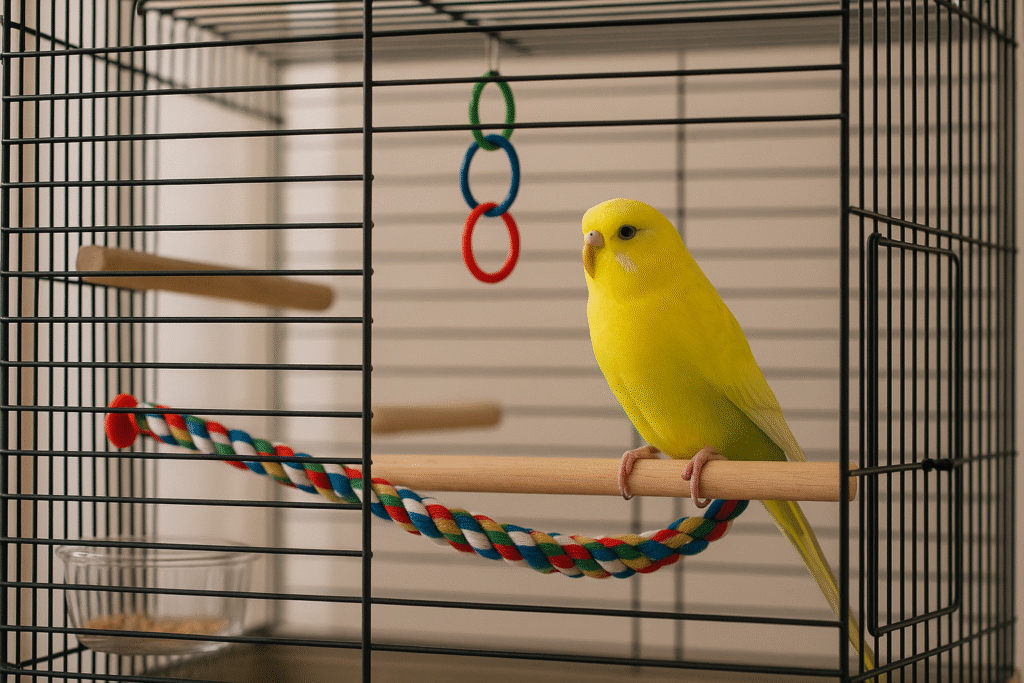
Proper bar spacing is crucial for safety. Bars that are too wide can lead to trapped heads or escape attempts. For smaller birds like finches and budgies, stick with spacing around ½ inch or less. Medium birds like cockatiels or conures do well with ½ to ¾ inch. Larger parrots can handle 1 inch or more.Choose a cage made from non-toxic, powder-coated metal to prevent rust and chipping. Avoid wooden cages, which can absorb moisture and bacteria. Birds enjoy being near family activity but not in the center of chaos. A quiet corner of a living room works well.
Accessories and Enrichment
A bird’s cage should be filled with enriching items to keep them mentally and physically active. Add a mix of perches with different textures and diameters to promote foot health. Natural wood perches are excellent choices.Toys are also essential—they help fight boredom and encourage exercise. Rotate them every couple of weeks to keep things fresh. Don’t forget to include food and water dishes that are easy to remove and clean.
👉 *Check out these Bissap Bird Chew Toys, 7 Packs Parakeet Natural Wood Toys Parrot Hanging Cage Toy Perch Stand for Small Birds Conure Cockatiel Parrotlet Lovebird Budgie for fun, safe enrichment options.*
Cleaning and Maintenance
Cleanliness is key to your bird’s health. Look for a cage with a pull-out tray or removable bottom grate for easy cleaning. Wipe down bars and perches weekly, and change liners or paper daily to prevent bacteria buildup.If possible, choose a cage with a stand that keeps it off the ground and includes storage space for supplies like food, cleaning spray, and toys.
👉 *Check out this Yaheetech Budgie Cage 55-inch Rolling Standing Triple Roof Medium Parrot Cage Pet Bird Cage with Detachable Stand for Cockatiels Sun Parakeets Green-cheeked Conures Macaw that makes daily maintenance a breeze.*
Final Thoughts
Choosing the perfect cage for your bird is about finding the right balance between safety, comfort, and stimulation. A good cage should feel like a home — spacious enough for movement, designed with safe materials, and filled with enriching toys that encourage natural behaviors. When you invest in quality and proper setup, your bird will reward you with brighter feathers, a happier attitude, and a longer, healthier life.
If you’re just starting your bird-keeping journey, it also helps to learn about overall bird care and daily routines. Simple things like consistent feeding times, social interaction, and enrichment activities can make a big difference in your bird’s well-being. You can read more in our Beginner’s Guide to Bird Care (coming soon) for tips on creating a healthy, happy environment both inside and outside the cage. For expert advice on safe cage materials and cleaning routines, check out PetMD’s Bird Care Guide
Comments are closed, but trackbacks and pingbacks are open.