Disclosure: As an Amazon Associate, I earn from qualifying purchases.
The Best Heating Lamps for Lizards
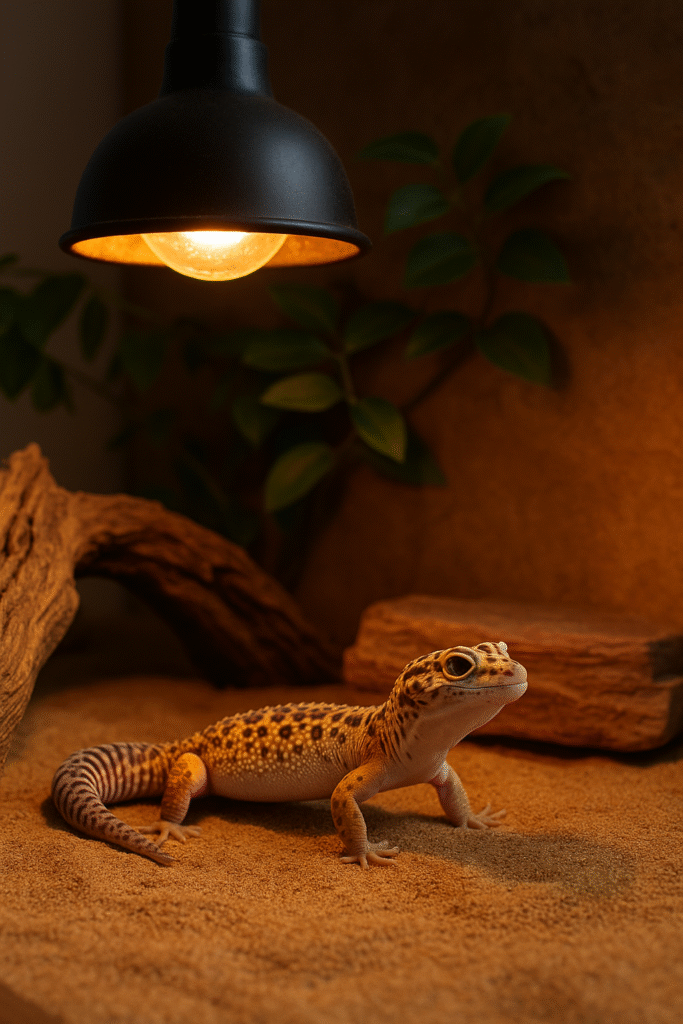
Reptiles like lizards depend on external heat sources to regulate their body temperature—a process known as thermo-regulation. Without proper heat, even the healthiest lizard can become sluggish, stop eating, or develop health problems. Choosing the right heating lamp ensures your reptile stays active, comfortable, and healthy in its enclosure.
Why Heating Lamps Are Essential
Unlike mammals, lizards are cold-blooded, meaning they rely on external warmth to stay at a proper body temperature. A heating lamp provides the warmth they need for digestion, energy, and overall well-being. Without it, your lizard’s metabolism slows, their immune system weakens, and their quality of life suffers. Heating lamps also help mimic a natural day-night cycle, giving your pet a consistent light and warmth schedule that matches their natural habitat.
Types of Heating Lamps & Bulbs
There are several types of heating lamps designed for reptiles, and choosing the right one depends on your lizard species and habitat setup.
1️⃣ **Basking Lamps:**
These provide focused, direct heat to a specific spot in your lizard’s tank. Ideal for species like bearded dragons or iguanas that enjoy basking under the light.
2️⃣ **Ceramic Heat Emitters (CHEs):**
These give off heat without light, making them perfect for nighttime warmth. They’re great for geckos, skinks, and other nocturnal lizards.
3️⃣ **Mercury Vapor Bulbs:**
These all-in-one bulbs provide both heat and UVB light—perfect for lizards that need UV exposure to produce vitamin D3. They’re energy-efficient and long-lasting.
4️⃣ **Infrared Heat bulbs:**
Gentle and consistent, infrared bulbs help maintain a steady temperature without disturbing your pet’s rest.
👉 *Check out these infrared bulbs REPTI ZOO 2 Pack Infrared Heat Lamp, 100W Reptile Heat Emitter Infrared Basking Spot Light
Choosing the Right Wattage
The wattage you choose depends on the size of your enclosure and the temperature your species needs. For example, small tanks (10–20 gallons) usually do well with a 50–75 watt bulb, while larger terrariums may require 100 watts or more. Always check your reptile’s ideal temperature range before buying. Use a reliable thermometer or digital temperature gun to ensure your basking area is warm enough—usually between 90°F and 110°F for most desert lizards, and around 80°F for tropical ones.
Placement and Safety Tips
Proper placement of your heating lamp is crucial. Always place it above the basking area, not inside the enclosure, to prevent burns. Ensure your lizard can move freely between warm and cool zones to regulate their temperature naturally.Avoid using regular household bulbs—they’re not designed for reptiles and may not produce the correct spectrum of heat or UV light. Make sure your lamp fixture is heat-resistant and use a guard if needed to protect curious pets.
Proper lamp placement not only keeps your reptile warm but also helps mimic natural sunlight patterns. To learn how to balance lighting with other essential elements like humidity, substrate, and enclosure size, check out our 5 Key Steps to Setting Up a Healthy Habitat for Reptiles
👉 *This Dual Reptile Light Fixture with Switches, Reptile Heat Lamp Fixture, Reptiles Terrarium UVB Bulb Fixture for Bearded Dragon, Max 160W Each (Bulb Not Included) makes positioning your heat source simple and secure.*
UVB Lighting: Don’t Forget It
Lizards need UVB lighting to synthesize vitamin D3, which helps them absorb calcium and maintain bone health. Without it, lizards can develop metabolic bone disease, a painful and often irreversible condition. Combine your heating setup with a UVB bulb or choose a dual-purpose mercury vapor bulb. Monitoring & Maintenance Check your bulbs regularly. Most heat and UVB bulbs lose effectiveness over time—even if they still light up. Replace them every 6 to 12 months, depending on the manufacturer’s recommendations. Investing in a digital thermostat is a great way to maintain stable temperatures and prevent overheating. Regular cleaning of lamp fixtures also extends bulb life and keeps your reptile’s environment healthy.
Final Thoughts
Providing proper heat is one of the most important parts of reptile care. By choosing the right heating lamp and maintaining it correctly, you’ll keep your lizard healthy, active, and thriving year-round. Whether you have a bearded dragon, gecko, or iguana, the right balance of heat and UV light is key to their happiness. Remember: consistency is everything. Check temperatures daily, replace bulbs as needed, and your reptile will reward you with bright eyes, strong colors, and a healthy appetite.
For more expert guidance on reptile lighting types, UVB needs, and safe heat levels, visit PetMD’s Guide to Heating and Lighting for Reptiles.
Comments are closed, but trackbacks and pingbacks are open.